
This blog is written by Kate Atholwood.
Navigating the complexities of the NDIS can be challenging, especially when it comes to understanding the different types of home and living supports available. At Therapy Connect, we aim to simplify this process through our Home and Living Assessments, which help determine the most appropriate support options for individuals seeking greater independence.
What Is a Home and Living Assessment?
A Home and Living Assessment is a functional capacity assessment that evaluates a person’s current and future living arrangements. It provides formal recommendations to the NDIS to support appropriate housing and care options. These assessments focus on two key support categories:
- Independent Living Options (ILO)
- Supported Independent Living (SIL)
ILO vs SIL: What’s the Difference?
Independent Living Options (ILO)
ILO is designed for individuals who want to explore different ways of living, such as with a host or housemate. It allows participants to design their own supports to suit their lifestyle. Key features include:
- Minimum of 6 hours of support per day
- Independence during the night
- Support provided by individual support workers
- Covers only in-home activities
Supported Independent Living (SIL)
SIL is for individuals who require 24/7 support, including overnight care. It includes help with daily tasks such as personal care and meal preparation. Key features include:
- Significant person-to-person support
- A structured schedule of supports managed by the SIL provider
- Covers both in-home and community-based supports
Funding Criteria: Who Qualifies?
Both ILO and SIL have similar eligibility requirements, with key differences in the level of support needed:
| Criteria | ILO | SIL |
|---|---|---|
| Age | 18+ | 18+ |
| Goal | Live independently in the community | Live independently in the community |
| Support Needs | Minimum 6 hours/day, independent at night | 24/7 support including overnight |
When Is a Home and Living Assessment Needed?
A Home and Living Assessment may be required when:
- There’s a change in functional capacity
- The individual has a goal to move out of the family home
- Living arrangements change
- Current supports are no longer suitable
- Requested by the client, family, Support Coordinator (SC), or Local Area Coordinator (LAC)
How Therapy Connect Delivers Home and Living Assessments Online
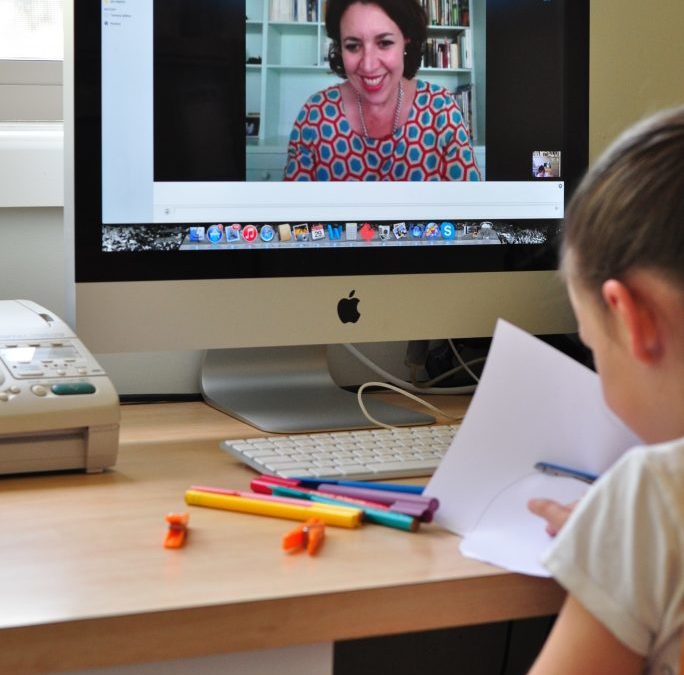
Therapy Connect offers a fully virtual model for completing Home and Living Assessments, making the process more accessible and efficient for participants across Australia. Here’s how it works:
Our Online Assessment Process
- Referral Review – We begin by reviewing all referral documentation to understand the participant’s background and goals.
- Semi-Structured Interview via Zoom – A clinician conducts a detailed interview with the participant and relevant stakeholders.
- Assessment Planning – We determine which assessments are needed based on the participant’s situation.
- Functional Observations – These are completed remotely, including observations of the current home environment and existing supports.
- Recommendations – Based on the data collected, we determine whether ILO or SIL is the most appropriate pathway.
- Report Completion – A comprehensive Home and Living Assessment report is prepared and submitted to support NDIS decision-making.
Innovative Solutions for Virtual Delivery
- Secure Telehealth Platforms – All interviews and observations are conducted via encrypted video conferencing tools to ensure privacy and compliance.
- Digital Collaboration – We engage with families, support coordinators, and other stakeholders through shared digital platforms to streamline communication.
- Remote Environment Scanning – Participants can share videos or photos of their living space to assist with environmental assessments.
- Flexible Scheduling – Online delivery allows for assessments to be scheduled around the participant’s availability, reducing disruption.
Benefits of Completing Home and Living Assessments Online
- Accessibility – Participants in rural or remote areas can access expert assessments without travel.
- Efficiency – Faster turnaround times due to streamlined digital workflows.
- Comfort – Participants are assessed in their own familiar environment, which can lead to more accurate observations.
- Cost-Effective – Reduces travel and administrative costs for both participants and providers.
- Continuity of Care – Enables consistent engagement with the same clinician throughout the process.
Therapy Connect is proud to offer a modern, flexible, and participant-centred approach to Home and Living Assessments. Whether you’re exploring ILO or SIL options, our team is here to guide you every step of the way.