Schools and Supported Independent Living (SIL) providers play a critical role in supporting people with disability who experience behaviours of concern. However, access to timely Positive Behaviour Support (PBS) can be challenging due to workforce shortages, waitlists, and geographical barriers.
Online PBS, the delivery of Positive Behaviour Support via online practice, is recognised by the NDIS Quality and Safeguards Commission as a safe and effective way to deliver behaviour support when aligned with quality practice and safeguarding requirements.
For schools and SIL providers, Online PBS offers a practical way to access specialist behaviour support quickly—without compromising quality, safety, or participant rights
What Is Online PBS?
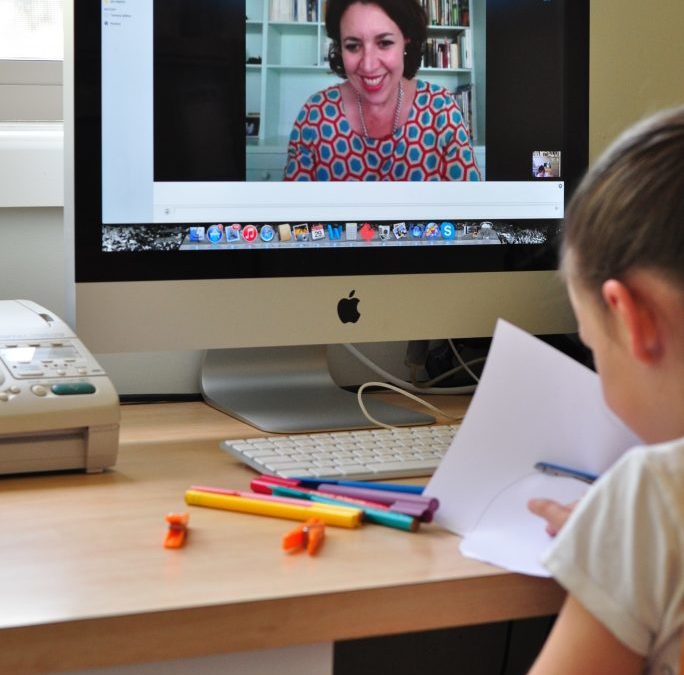
Online PBS involves delivering Positive Behaviour Support using secure online platforms such as video conferencing, phone calls, and digital collaboration tools.
Online PBS can support schools and SIL settings by providing:
- Functional behaviour assessments
- Interim and comprehensive Behaviour Support Plans
- Coaching and training for teachers, education staff, and support workers
- Ongoing review and monitoring of strategies
- Support during periods of escalation, transition, or staffing change
The NDIS Quality and Safeguards Commission confirms that Online PBS can be delivered effectively when practitioners follow evidence‑informed practice and work within their scope and competence.
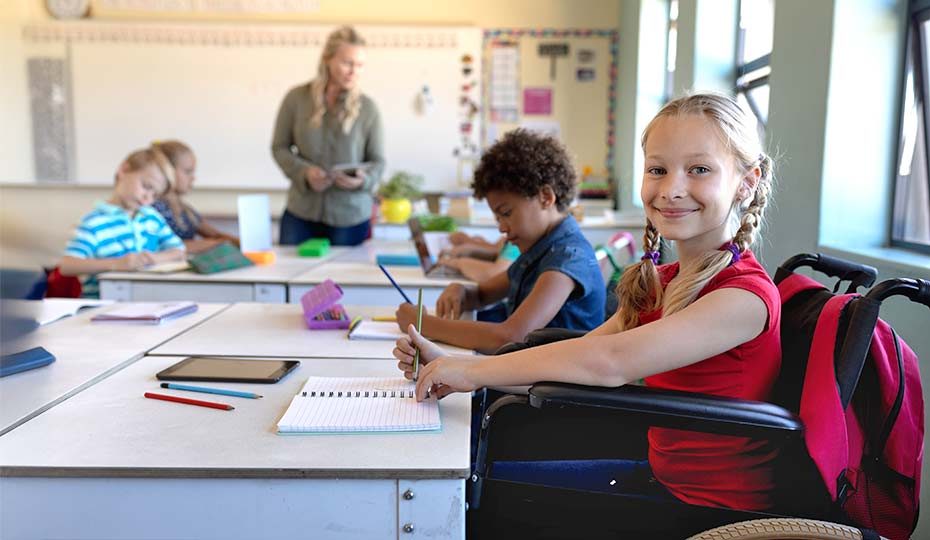
Why Online PBS Works Well for Schools
Schools often need behaviour support:
- Quickly
- Across multiple environments (classroom, playground, transport)
- With limited access to on‑site specialists
Online PBS allows behaviour support practitioners to:
- Collaborate directly with teachers and learning support teams
- Observe behaviour in real‑world educational contexts
- Provide timely guidance without waiting months for in‑person availability
The Commission notes that delivering PBS in familiar environments can strengthen assessment quality and support consistency across the student’s day.
Why Online PBS Is Effective for SIL Providers
SIL providers frequently manage:
- Complex behaviours across shared living environments
- Staff turnover or inconsistent training
- The need for rapid behaviour support input
Online PBS supports SIL services by:
- Providing quick access to specialist PBS practitioners
- Supporting staff coaching and skill‑building
- Ensuring Behaviour Support Plans remain current and compliant
- Supporting the safe reduction of restrictive practices
All Online PBS must meet the same safeguards and regulatory requirements as face‑to‑face behaviour support, including alignment with the NDIS Practice Standards.
NDIS Quality and Safeguards Commission Expectations
The Commission provides clear guidance for delivering PBS remotely, including Online PBS.
Person‑Centred and Rights‑Based Practice
Behaviour support must always respect the rights, dignity, and choices of the person with disability.
This applies equally in school, SIL, and online settings.
Evidence‑Informed Positive Behaviour Support
Online PBS must follow contemporary PBS approaches, including:
- Understanding the function of behaviour
- Using proactive and preventative strategies
- Actively working toward reducing and eliminating restrictive practices.
Practitioner Capability and Scope
Only skilled and experienced practitioners should deliver Online PBS.
They must:
- Assess whether Online PBS is appropriate
- Know when face‑to‑face or hybrid models are required
- Work within their professional competence.
Safeguards and Quality Systems
Providers must maintain strong systems for:
- Privacy and information security
- Incident and complaints management
- Clinical governance and oversight.
How Therapy Connect Supports Schools and SIL Providers
Therapy Connect delivers Online PBS in line with NDIS Quality and Safeguards Commission guidance and the Positive Behaviour Support Capability Framework.
What Schools and SIL Providers Can Expect
– Immediate capacity
Therapy Connect currently has availability to commence Online PBS without long waitlists.
– Experienced behaviour support clinicians
Our practitioners have extensive experience working with:
- Students with disability
- SIL environments
- Complex and high‑risk behaviours
– Collaborative service delivery
We work closely with:
- School leadership and learning support teams
- SIL managers and frontline staff
- Families, guardians, and Support Coordinators
– Strong focus on compliance and safeguards
Our Online PBS services align with NDIS Practice Standards and Quality and Safeguarding requirements.
– Outcome‑focused support
We prioritise quality of life, skill development, and sustainable behaviour change—while supporting the safe reduction of restrictive practices.
Online PBS: A Practical Solution for Today’s Service Environment
The NDIS Quality and Safeguards Commission recognises Online PBS as a legitimate and effective model of behaviour support when delivered well.
For schools and SIL providers, Online PBS can mean:
- Faster access to specialist support
- Greater consistency across staff teams
- Reduced service disruption
- Stronger collaboration across systems
If your school or SIL service is supporting someone who may benefit from Positive Behaviour Support, Online PBS may be an appropriate option. Therapy Connect is currently able to accept referrals and discuss service suitability. We welcome conversations with:
- Schools and education providers
- SIL providers and service managers
- Support Coordinators and Plan Managers
Want to explore whether Online PBS is suitable for your setting? Contact our friendly team at Therapy Connect for further information or referral guidance.