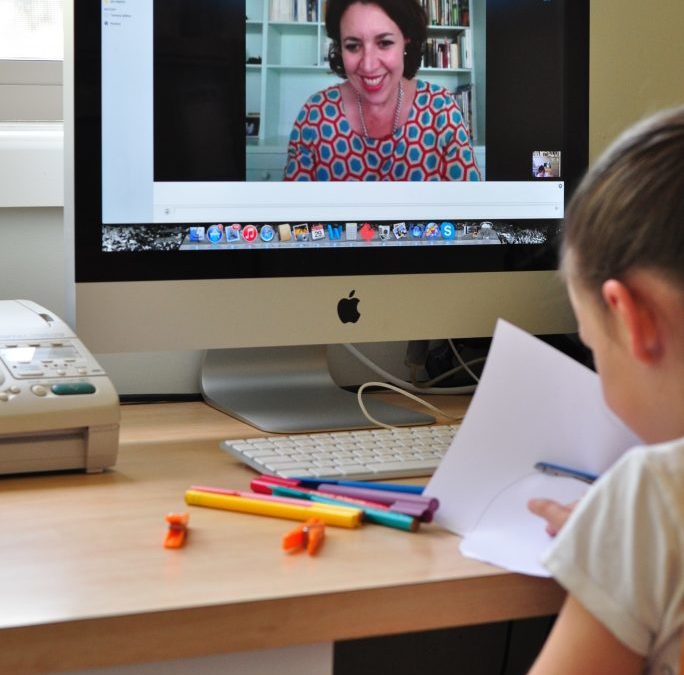

Life is full of transitions — starting primary school, moving into high school, stepping into the workplace. For many people, these moments bring excitement and possibility. But for NDIS participants, these same transitions can also bring uncertainty, new challenges, and the need for carefully tailored support.
As an online allied health therapy provider, we see first-hand how timely, flexible, personcentred therapy can help children, teens, and adults navigate these milestones with confidence. When therapy is accessible from anywhere — at home, at school, or in the community — the support becomes part of everyday life, rather than something that requires travel, coordination, and extra stress.
In this blog, we explore how NDIS participants can be supported through three major lifestage transitions: starting primary school, entering high school, and moving into the workforce.
1. Starting Primary School: Building Foundations for Learning
The beginning of primary school is one of the biggest milestones in a child’s early life. For children with developmental delays, autism, physical disabilities, sensory needs, or communication challenges, this transition can feel overwhelming.
Common challenges at this stage
• Developing early literacy, numeracy and language skills
• Adjusting to routines and structure
• Making friends and understanding social cues
• Managing sensory demands
• Building independence (e.g., toileting, self-care, organising belongings)
How online therapy helps
Speech pathologists specialising in online speech pathology, online occupational therapist, and online psychologists Australia can work collaboratively with families and schools to support a smooth transition through:
School-readiness programs focusing on communication, attention, and play
Fine motor and sensory regulation strategies that can be used in the classroom
Parent coaching so families can support skill development at home
Teacher collaboration, providing strategies that integrate therapy goals into everyday learning
Flexible session delivery, even during school hours or from the classroom (with consent)
Online therapy removes travel barriers and enables therapists to observe children in their natural environment — giving invaluable insight into how to make school feel safe, fun, and achievable.
2. Transitioning to High School: Navigating a Bigger, Busier World
The move to high school often brings more academic complexity, a larger social landscape, and a significant increase in independence. For young people with disability, the demands can multiply.
Challenges that may emerge
• Managing a rotating timetable and organising materials
• Keeping up with faster-paced learning
• Social pressures and changing friendships
• Emotional regulation and selfadvocacy
• Increasing executive functioning demands (planning, memory, organisation)
How online allied health can support this transition
Therapists play a critical role in preparing young people for success:
• Executive functioning coaching to support planning, homework, and organisation
• Social communication support, including navigating friendships and group work
• Mental health support to build resilience, confidence, and coping strategies
• Assistive technology training — including apps, organisational tools, and accessibility settings
• Collaboration with schools, ensuring learning adjustments are appropriate and effective
Online therapy can meet teens where they’re most comfortable — often in their own space — helping them build confidence and independence in a familiar environment.
3. Moving Into the Workforce: Skills for Independence and Participation
Entering the workforce is a major milestone for many young people and adults with disability. Whether it’s open employment, supported employment, or exploring vocational pathways, allied health support can make the transition smoother and more sustainable.
Key barriers for NDIS participants
• Communication challenges during interviews or on-the-job
• Anxiety around new environments
• Physical or sensory accessibility needs
• Workplace behaviour expectations
• Fatigue management
• Employer awareness and reasonable adjustments
How online allied health empowers successful employment
• Functional capacity building to support stamina, mobility, or task execution
• Workplace communication skills training (e.g., email etiquette, interview skills, advocating needs)
• Social and emotional regulation strategies for managing stress and building resilience
• Jobreadiness coaching, including goal setting, CV support, and workplace expectations
• Liaison with employers to recommend adjustments that make work accessible and successful
Online therapy gives participants the flexibility to attend sessions around work schedules, helping them build and maintain skills while adapting to new responsibilities.
Why Online Allied Health Works Across All Life Stages
Whether transitioning into school, adolescence, or employment, online allied health offers unique advantages:
• Accessibility: No travel, no waiting rooms, support available Australiawide
• Consistency: Therapy continues even through illness, school changes, or relocation
• Personalised environments: Participants learn skills where they’re used — at home, school, or work
• Family and team involvement: Easy participation for parents, teachers, and support workers
• Evidencebased practice: Studies increasingly show telehealth outcomes are equal to, or better than, inperson therapy for many goals
Supporting Transitions Leads to Better LongTerm Outcomes
Life-stage transitions shape identity, confidence, and independence. With the right supports, NDIS participants can step into each new stage with the tools they need not just to cope — but to thrive.
As an online allied health provider, our role is to empower clients at every age and stage, ensuring their goals remain at the centre of every decision.