
Multidisciplinary practice refers to many disciplines working together. For us at Therapy Connect, this could be occupational therapists working with speech pathologists, dietitians, physios and psychologists.
Multidisciplinary practice provides many benefits, including:
- Improved client outcomes
- Diverse perspectives on the same presentation
- Opportunities for professional growth
- Holistic programs for clients
- Joint problem-solving from a team of practitioners
- Improved referral pathways for similar clients
How It Works
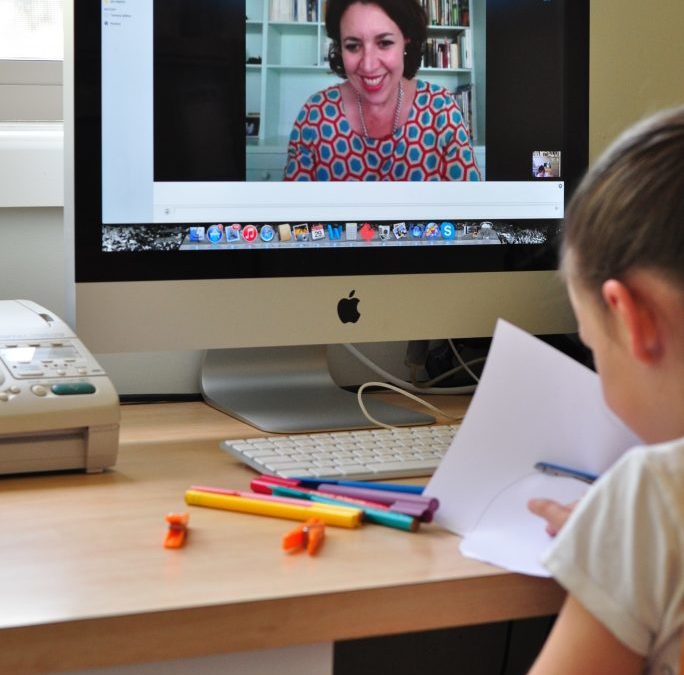
Multidisciplinary practice can vary in form and duration, occurring in response to specific needs or when additional expertise is required. It is particularly well-suited to online therapy (telehealth) due to the ease of bringing practitioners together virtually.
At Therapy Connect, we share information, experiences, and perspectives using various tools, including:
- A shared file and note-taking platform
- Zoom calls for virtual collaboration
- Using our Therapy Connect messaging app
- Virtual communities of practice for interdisciplinary education
Forms of Multidisciplinary Practice
Our multidisciplinary practice takes many forms, such as:
- Two or more practitioners from different disciplines in therapy sessions with clients
- Interdisciplinary meetings for planning and reflection
- Shared note-taking
- Email and messaging communication
- Using collaboration tools such as joint assessments and rubrics
Key Components to Successful Multidisciplinary Practice
Successful multidisciplinary practice involves:
- Clear communication across all disciplines, keeping the family at the centre.
- Defined roles and responsibilities, including professional boundaries, values, and scope of practice.
- Teamwork – working together through conflict via trusting professional relationships.
Effective communication, teamwork, and a clear understanding require time spent together in planning stages, meetings, and through reflection and problem-solving.